
Search Colorado Warrant Records
Colorado does not have a single statewide database for active warrant searches. Each county sheriff's office and municipal court keeps its own warrant records. Some counties offer online warrant search tools, while others require you to call or visit in person. The Colorado Bureau of Investigation maintains criminal history records but does not include warrant information in public searches. To find a warrant in Colorado, you need to contact the local agency in the county or city where the warrant was likely issued.
Colorado Warrant Records Quick Facts
Where to Find Warrant Records
Sheriff's offices are the main source for warrant records in Colorado. Each of the 64 counties has a sheriff who maintains active warrants for that jurisdiction. Some sheriff websites offer online warrant search tools where you can look up warrants by name or date of birth. Adams County and Weld County both have free online searches. Many other counties require you to call or visit. The Colorado Bureau of Investigation has a Fugitive Unit but does not provide public access to active warrant information.
Municipal courts issue bench warrants when someone fails to appear for a court date or violates court orders. Cities like Denver, Colorado Springs, Aurora, and Fort Collins run their own municipal courts separate from county courts. If you got a ticket or summons from a city police department, check with that city's municipal court for warrant information. County courts handle more serious criminal cases and issue arrest warrants based on probable cause. You need to check both city and county sources if you are not sure where a warrant was issued.
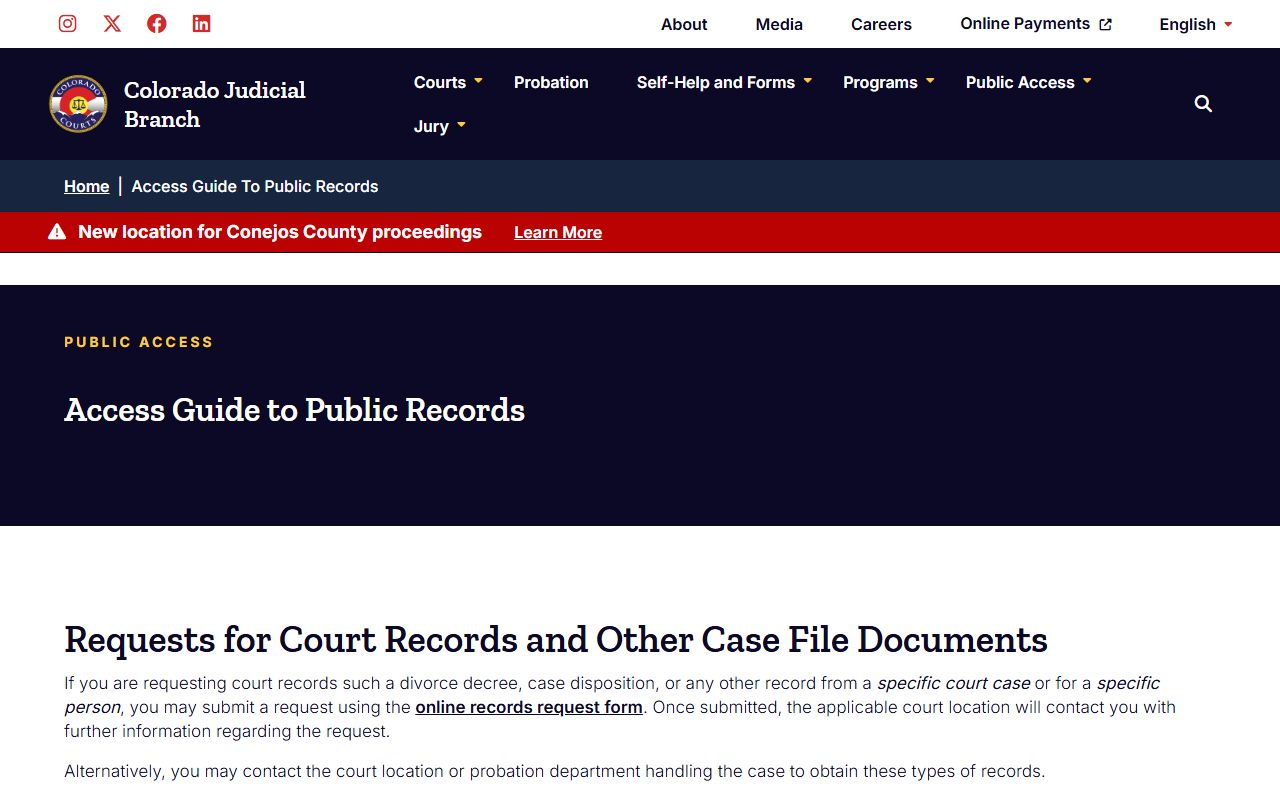
The Colorado Judicial Branch provides general court information but does not offer direct online access to warrant records. You can search court dockets for case information, but active warrants are not shown in the public docket system. For warrant searches, you must contact individual courts or law enforcement agencies in Colorado.
Online Warrant Search Options
A few Colorado counties let you search warrants online for free. The Adams County Sheriff's Office warrant search is one of the most used tools in the state. You can search by last name, first name, and date of birth. Records update each day by 7 AM. Juvenile warrants are not shown. The system warns that not finding a warrant in their database does not mean no warrant exists with other agencies in Colorado.
Weld County offers an online active warrant search through the Weld County Sheriff's website. This free search covers warrants issued by county authorities in Weld County. For municipal bench warrants in Weld County cities, you need to contact the local municipal court directly. The sheriff's office cannot provide information on city-issued warrants.
Most Colorado counties do not have online warrant searches. You will need to call the sheriff's office during business hours to ask about warrants. Some agencies will not tell you over the phone if a warrant exists, especially if you are asking about yourself. Going in person to check on your own warrant may result in arrest on the spot. It is often safer to hire a lawyer who can check for you and help clear the warrant through the court.
Note: Commercial websites claim to search Colorado warrants but may have incomplete or outdated data.
Types of Warrants in Colorado
Arrest warrants are issued when law enforcement has probable cause that someone committed a crime. A judge reviews an affidavit from police and signs the warrant if there is enough evidence. These warrants allow officers to take the person into custody. Colorado law under CRS 16-3-301 sets the rules for issuing arrest warrants. The warrant must describe the person to be arrested and the crime they are charged with. Arrest warrants do not expire and remain active until the person is arrested or the court recalls the warrant.
Bench warrants are issued by judges when someone fails to appear in court. This happens often in traffic cases, misdemeanor criminal cases, and civil matters where a court appearance is required. CRS 16-2-110 makes it illegal to fail to appear after being served with a summons in Colorado. A bench warrant gives police the power to arrest you and bring you before the court. Many people have bench warrants without knowing it, often from old traffic tickets or missed court dates. Some counties send notice by mail but the notice does not always reach the person.
Search warrants authorize law enforcement to search a specific place for evidence of a crime. These are different from arrest warrants because they are about searching property, not arresting people. CRS 16-3-303 governs search warrant rules in Colorado. A search warrant must be based on an affidavit that establishes probable cause. The affidavit stays sealed until the warrant is executed. Search warrants must be executed within 14 days or they become void under CRS 16-3-305. This time limit does not apply to arrest or bench warrants, which stay active indefinitely in Colorado.
No-knock search warrants let officers enter without announcing themselves first. These require special approval. The district attorney must review the request. The affidavit must explain why a no-knock entry is needed. This might be to prevent destruction of evidence or to protect officer safety. CRS 16-3-303 sets strict rules for no-knock warrants in Colorado due to safety concerns.
Warrant Laws in Colorado
Colorado statutes define how warrants are issued and served. Any judge of a court of record can issue an arrest warrant in Colorado. The warrant application must be under oath or affirmation. It must contain facts that establish probable cause to believe the person committed a crime. The warrant must identify the person and the offense. Police can serve a warrant anywhere in Colorado, not just in the county where it was issued.
Warrants issued in Colorado remain active until they are executed or recalled by the court. There is no statute of limitations on warrants. A warrant from 10 or 20 years ago is still valid today. Many people are surprised to learn they have an old warrant from a case they forgot about. Out-of-state warrants can also follow you to Colorado through the National Crime Information Center database that links law enforcement agencies across the country.
The Colorado Open Records Act under CRS 24-72-201 makes most public records open for inspection. Warrants are generally public records, but some are kept confidential. Active warrants may be withheld if releasing them would jeopardize an investigation or endanger someone's safety. Bench warrants are often confidential. Juvenile warrants are always sealed from public view in Colorado. Once a warrant is served and the person is in custody, the warrant becomes part of the public court file.
Clearing a Warrant
If you have a warrant, it will not go away on its own. You must deal with it through the court system. The safest way is to hire a criminal defense attorney who can file a motion to quash the warrant and arrange for you to appear in court without being arrested. Some courts allow you to post a bond to clear the warrant and get a new court date. You can also turn yourself in at the county jail, but this means you will be booked and may have to stay in custody until you see a judge.
Many Colorado counties hold warrant clearance events where you can resolve warrants without being arrested. Jefferson County and Gilpin County run a Fresh Start program for clearing old warrants. Larimer County holds periodic warrant clearance days. These events let you appear before a judge, pay fines, or set up payment plans to take care of the warrant. Not all warrants qualify for these programs. Serious felony warrants usually do not qualify.
For traffic and minor misdemeanor warrants, you may be able to pay the fines and court costs to clear the warrant without going to jail. Call the court that issued the warrant to ask about your options. Some courts let you pay online or by mail. Others require you to appear in person. If you cannot afford to pay, you may be able to set up a payment plan or do community service instead. Do not ignore a warrant. It can affect your driver's license, your ability to get a job, and your freedom if you get stopped by police in Colorado.
Court Records and Legal Help
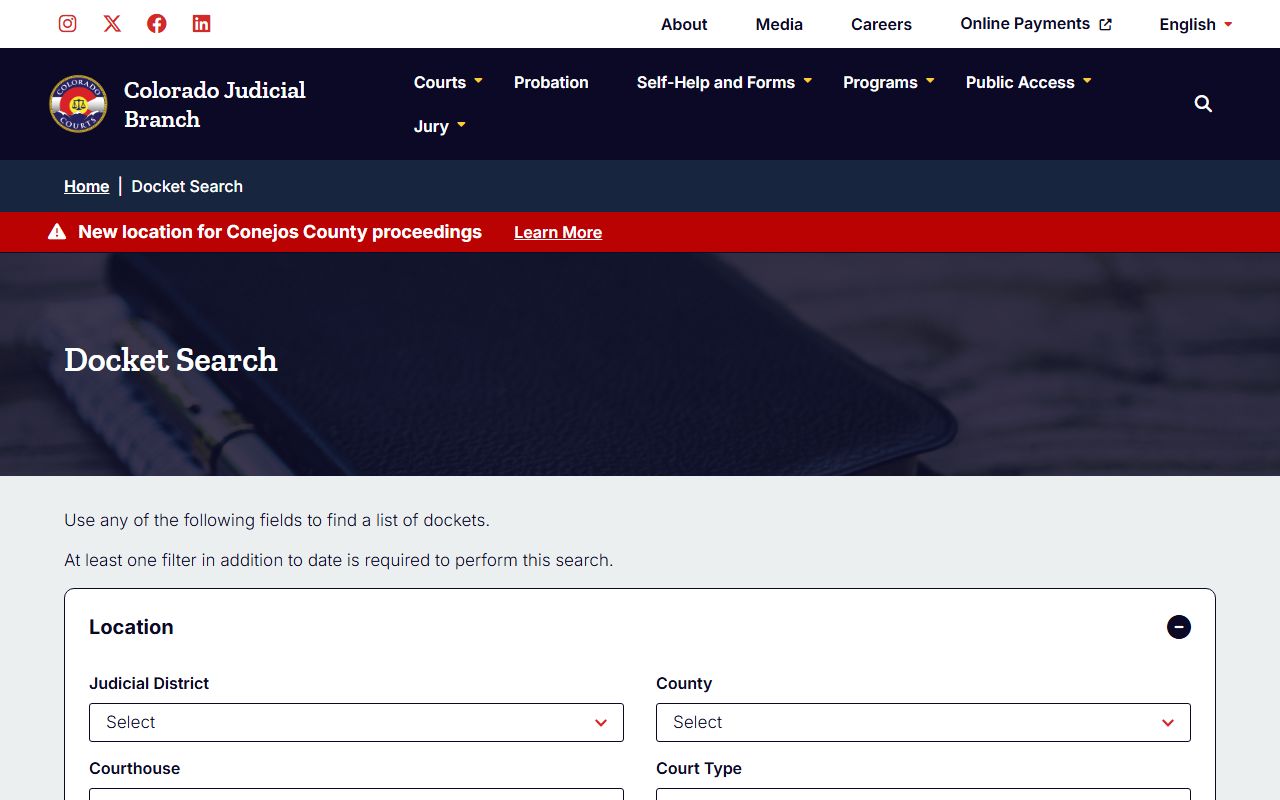
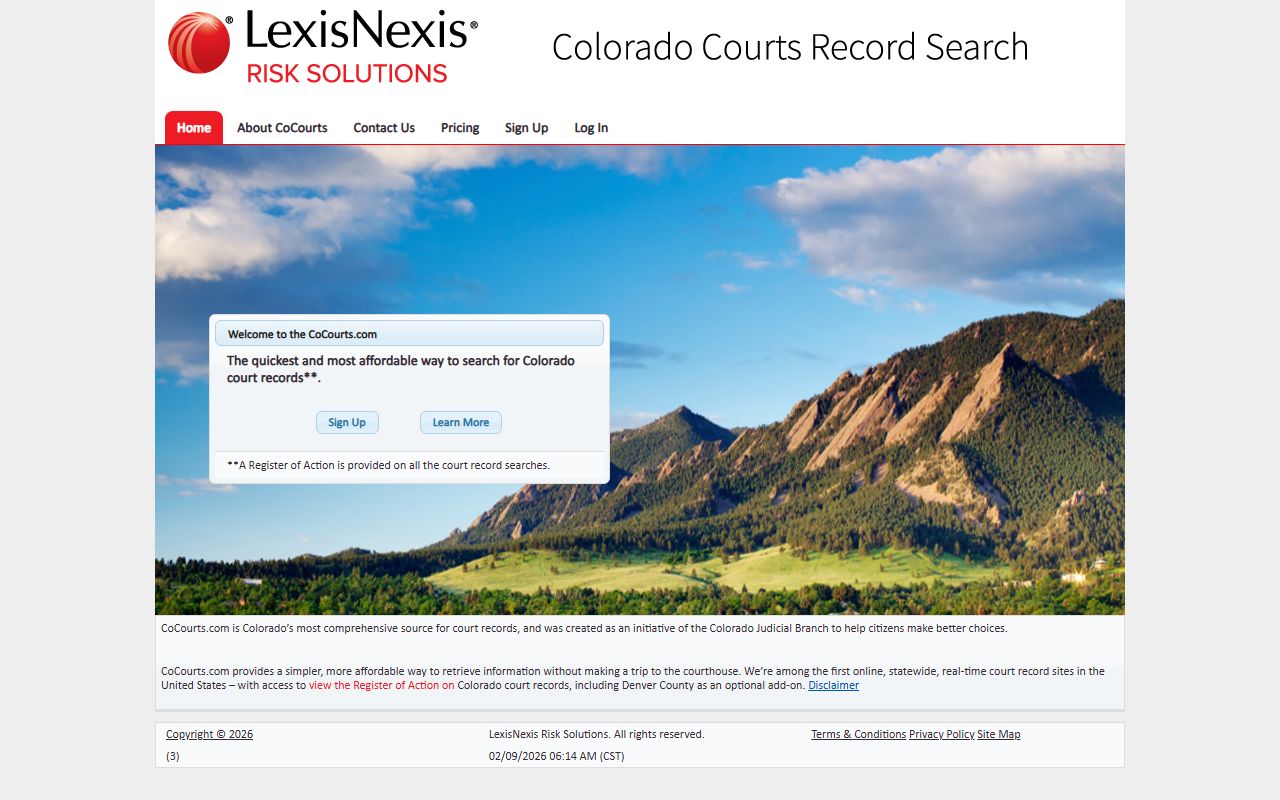
The Colorado Judicial Branch allows you to search court dockets online for case information. This does not show active warrants but can help you find case numbers and court dates if you know there is a case against you. Third-party vendors like LexisNexis offer paid searches of Colorado court records. These services charge fees and may not have real-time warrant information.
Legal aid organizations can help if you cannot afford a lawyer. Colorado Legal Services provides free help to low-income residents facing criminal charges. Local public defender offices represent people who qualify for appointed counsel in criminal cases. If you are trying to clear an old warrant or deal with a court case, getting legal advice is important to protect your rights and avoid mistakes that could make things worse.
The Colorado State Patrol and local police departments do not provide warrant searches to the public. Their job is to serve warrants, not to inform people if a warrant exists. If police contact you and say there is a warrant, take it seriously. You have the right to verify the warrant with the court before you act. Always confirm through official court channels and consider speaking with an attorney before turning yourself in.
CBI Records and Warrants
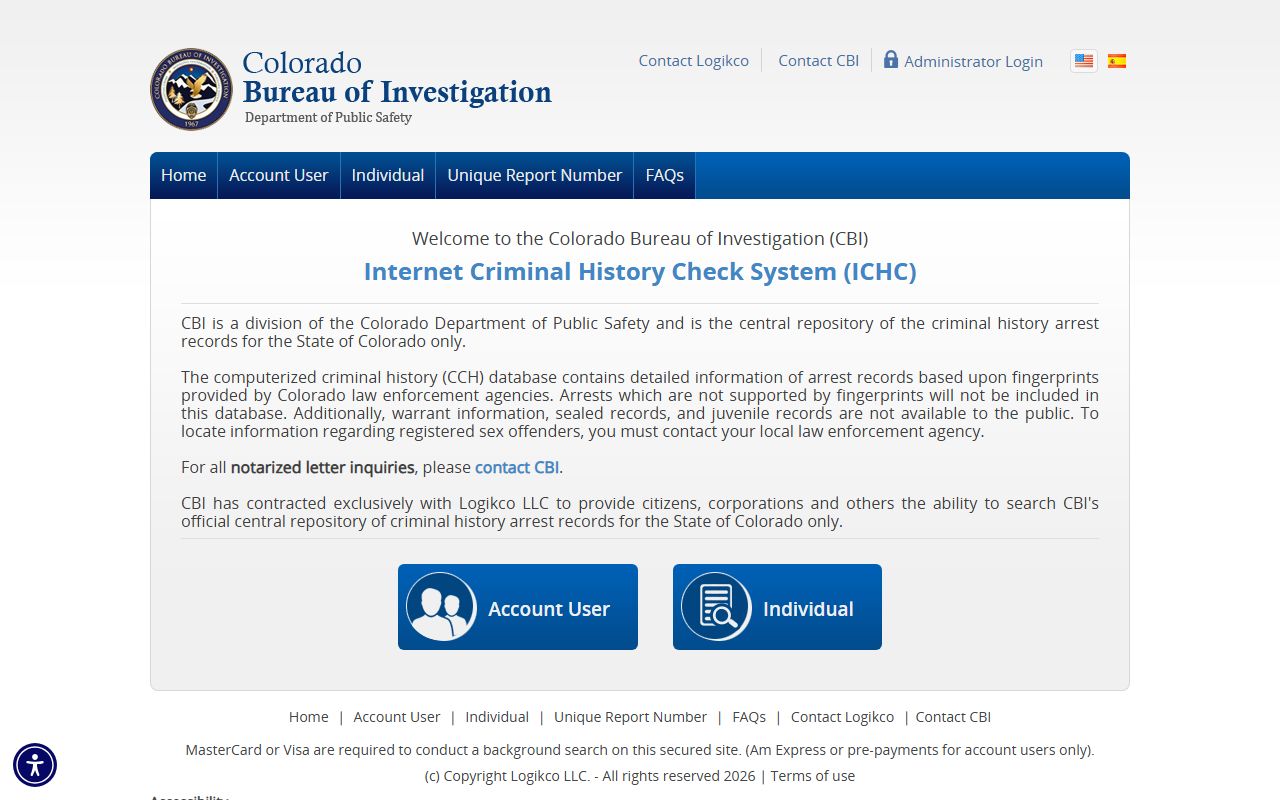
The Colorado Bureau of Investigation maintains the state's central repository for criminal history records. This includes arrest records based on fingerprints. The CBI explicitly states that warrant information is not available to the public through its records system. Criminal history checks from CBI will show arrests and convictions but will not show if there is an active warrant for you. Warrant data is restricted to law enforcement use only in Colorado.
The CBI Fugitive Unit works with the U.S. Marshals Service Violent Fugitive Task Force to track down wanted individuals. They focus on serious offenders and fugitives from justice. If you want to check if you have a warrant, the CBI cannot help with that. You must contact the local court or sheriff where you believe the warrant was issued. Each county and city in Colorado maintains its own records independently.
Are Warrant Records Public
Warrant records are generally public in Colorado once they are executed and the person is in custody. Before that, many agencies treat active warrants as confidential law enforcement information. The Colorado Criminal Justice Records Act under CRS 24-72-301 governs disclosure of records by police, sheriffs, and prosecutors. Agencies may deny access if disclosure would be contrary to the public interest or would compromise an investigation.
Even when warrants are public, not all agencies make them easy to find. Some counties post most wanted lists on their websites. Others do not share any warrant information online. This lack of uniformity makes it hard to search for warrants across the state. You may need to contact multiple agencies to get a complete picture, especially if you have lived in more than one county in Colorado or if you are not sure where a warrant might exist.
Browse Warrant Records by County
Each Colorado county has its own sheriff and court system that handles warrants. Select a county below to find contact information and search options for that area.
Warrant Records in Major Cities
Large cities in Colorado have their own municipal courts that issue bench warrants for traffic and local ordinance violations. Pick a city to learn about warrant records in that jurisdiction.