
Warrant Records in Denver County
Denver County maintains over 45,000 active warrants across civil, criminal, traffic, and municipal cases. The Denver Sheriff Department runs the Bonding and Warrants Division that handles all warrant records. Denver operates as both a city and county, so warrants may come from Denver County Court or Denver District Court. This unique structure means warrant searches need to cover multiple court systems. Denver's high population and busy court system create a large volume of warrant records that require specialized management and tracking throughout the jurisdiction.
Denver County Quick Facts
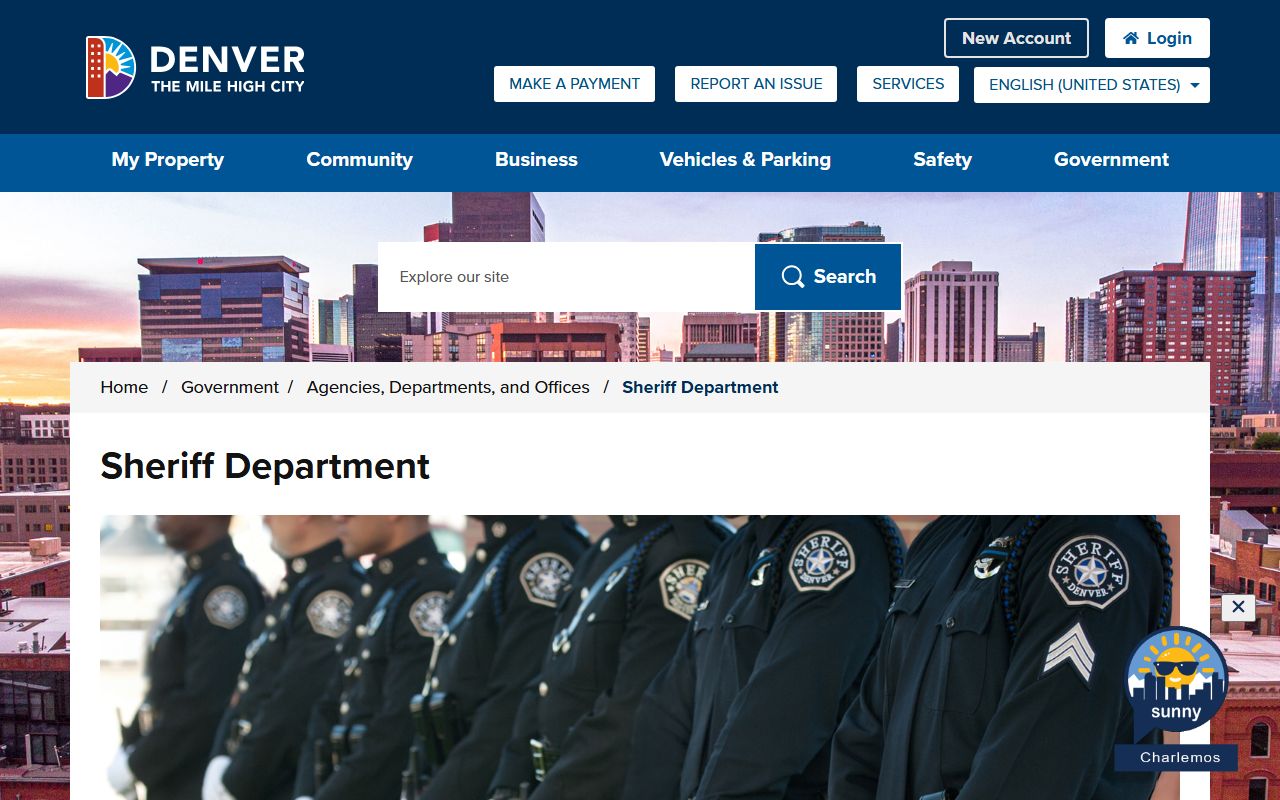
Denver Sheriff Department Warrant Division
The Bonding and Warrants Division is the main office for warrant records in Denver County. This unit issues, recalls, and maintains all warrants for the jurisdiction. They handle felony warrants, misdemeanor warrants, traffic warrants, and municipal warrants. The division is at 10500 E Smith Road in Denver. Staff work with the courts to process new warrants each day.
Call different numbers based on warrant type. For felony warrants, dial 720-865-8301 and press Option 8. Misdemeanor and lower warrants use 720-337-0464. The main sheriff line is 720-337-0400. These lines operate during business hours Monday through Friday. Staff can tell you if an active warrant exists under a name.
| Address | 10500 E Smith Road, Denver, CO 80239 |
|---|---|
| Main Phone | 720-337-0400 |
| Felony Warrants | 720-865-8301, Option 8 |
| Misdemeanor Warrants | 720-337-0464 |
| Website | denvergov.org/sheriff |
Denver has an online public portal for case management. This system may show warrant information for some cases. Visit the Denver County Court website to access the portal. Not all warrants appear online right away. Sealed warrants and active investigations stay hidden from public view. The portal works best for checking old cases where warrants have already been served in Denver County.
Denver County Court
Denver County Court is separate from the state court system. This court handles misdemeanors, traffic cases, and municipal violations. The court is at 520 W Colfax Ave in Denver. When someone misses a court date here, a bench warrant gets issued. The clerk's office can tell you about bench warrants. Call 720-337-0410 for court information.
Denver County Court has its own warrant clearance process. Some warrants can be cleared by paying fines online. The court website has a "cancel your warrant" option for certain cases. This lets you post bond and set a new court date without going to jail. Not all warrants qualify for this program. Serious charges still require you to appear in person before a judge in Denver County.
| Court Address | 520 W Colfax Ave, Denver, CO 80204 |
|---|---|
| Phone | 720-337-0410 |
| coradatarequests@denvercountycourt.org | |
| Website | denvercountycourt.org |
Denver District Court
District Court handles felonies and larger civil cases. This court is at 1437 Bannock Street in Denver. Felony arrest warrants come from this court. When someone is charged with a serious crime, the district attorney files charges here. A judge reviews the case and may issue an arrest warrant if probable cause exists in Denver County.
District Court records are part of the state system. You can search case information through the Colorado Judicial Branch website. Warrant details may not show up in the public docket. Call the clerk at the Bannock Street courthouse to ask about warrants in a specific case. Bring the case number if you have it. The clerk can look up the case and tell you what records are available in Denver County.
The Denver District Attorney's Office prosecutes felony cases. They work with law enforcement when warrants need to be issued. Contact information for the DA is on their website. They cannot give legal advice to the public but can answer general questions about the criminal process in Denver County.
Warrant Types in Denver County
Felony arrest warrants are the most serious. These are for crimes like robbery, assault, drug trafficking, and burglary. A judge signs the warrant after reviewing an affidavit from law enforcement. These warrants let police arrest the person on sight. Felony warrants in Denver County do not expire and remain active until the person is caught.
Misdemeanor warrants cover less serious crimes. DUI, theft under $1,000, and simple assault fall in this category. The process is the same as felony warrants but the charges are lighter. Bond amounts tend to be lower. Many misdemeanor warrants in Denver County can be cleared by posting bond and setting a court date.
Traffic warrants come from unpaid tickets or missed court dates. If you get a ticket and do not pay or appear, a warrant gets issued. These warrants can lead to arrest during a traffic stop. Denver issues many traffic warrants each year. You can often clear them by paying the fine and fees at the court clerk's office in Denver County.
Municipal warrants cover city ordinance violations. This includes things like noise complaints, code violations, and other city rules. Denver Municipal Court issues these warrants. They are usually the easiest to clear. Many can be resolved by paying a fine without going before a judge in Denver County.
Common reasons for warrants in Denver County:
- Missing a scheduled court appearance for any case type
- Failing to pay fines or court costs by the deadline
- Not completing community service or other court requirements
- Violating probation terms or conditions of release
- New criminal charges based on police investigation
- Contempt of court for not following judge's orders
How to Check for Warrants in Denver
Start with the warrant division phone numbers. Call the felony line or misdemeanor line based on what type of warrant you expect. Give them the full name and date of birth. They will check the database and tell you if a warrant exists. This works best if you are checking for someone else in Denver County.
The Denver County Court website has a case search tool. Enter a name to see court cases. Some case files will show warrant information. Look at the docket entries for mentions of warrants. This method only works for cases that are already public. Active investigations with sealed warrants will not appear in Denver County.
For your own warrant, hiring a lawyer is safest. A defense attorney can check the system without risking your arrest. They can also work on clearing the warrant before you have to turn yourself in. Many lawyers offer a free consultation to discuss your warrant situation. This costs money but may save you from spending time in jail in Denver County.
Some people choose to call the court clerk directly. Explain that you may have a warrant and want to check. The clerk can look in the system. Be aware that the clerk will not give legal advice. They can only tell you factual information about whether a warrant exists and what the next steps are in Denver County.
Note: Never ignore a warrant. Denver law enforcement runs warrant checks during traffic stops and other police contacts.
Clearing Denver County Warrants
Denver County Court offers online bond posting for some warrants. Go to the court website and look for the "cancel your warrant" option. You enter your case information and pay the bond amount with a credit card. The system gives you a new court date. This option only works for certain misdemeanor and traffic warrants in Denver County.
For warrants that cannot be cleared online, you have other options. Hire a lawyer to file a motion to quash. This asks the judge to recall the warrant so you can appear voluntarily. The judge looks at your criminal history and the reason for the warrant. If they grant the motion, the warrant goes away and you get a court date. Not all motions get granted in Denver County.
Posting bond in person works for many warrants. Go to the court or jail and pay the bond amount. You can pay cash, use a credit card, or hire a bondsman. Once bond is posted, you get released and receive a notice for your next court date. Bond amounts vary based on the charge and your history in Denver County.
Turning yourself in is always an option. Go to the Denver County Jail at 10500 E Smith Road during business hours. Bring ID and tell staff you have a warrant. They will book you and bring you before a judge. Many people get released the same day on personal recognizance bond. This depends on the charge and whether you have other warrants in Denver County.
Warrant clearance events happen occasionally in Denver County. These are special days when people can come clear warrants without fear of arrest. Watch the Denver Sheriff Department website or local news for announcements. Not all warrants qualify for these events. Serious felonies usually do not qualify in Denver County.
Warrant Law in Colorado
Arrest warrants require probable cause under state law. The Fourth Amendment and Colorado statutes protect against unreasonable searches and seizures. A judge must review facts before signing a warrant. The police affidavit must show specific evidence that a crime occurred and the person named likely did it in Denver County.
Bench warrants come from the court's power to enforce its orders. Missing court is contempt. The judge can issue a warrant immediately when someone fails to appear. No separate hearing is required for bench warrants. These stay active until you come to court or the case gets dismissed in Denver County.
Colorado law does not put a time limit on arrest warrants. They remain valid until executed or recalled. Some Denver County warrants from many years ago are still active. The only warrant that expires is a search warrant, which must be executed within 14 days under state statute.
The Colorado Judicial Branch oversees court operations statewide. Denver is the 2nd Judicial District. District Court and County Court both operate here. The Colorado Bureau of Investigation maintains criminal records but does not provide public warrant searches. Each county handles its own warrant records in Colorado.
Legal Help for Warrants in Denver
A criminal defense lawyer can help with warrant issues. They can check if a warrant exists and work on clearing it. Many Denver lawyers handle warrant cases. Look for attorneys who practice criminal defense. Most offer a free first meeting to discuss your situation in Denver County.
Colorado Legal Services provides free help to low-income residents. They handle some criminal matters but not all. Call their Denver office to see if they can assist with your warrant. Their phone number and application process are on their website. They cannot help everyone due to high demand in Denver County.
The Denver Bar Association runs a lawyer referral service. Call them to get connected with a criminal defense attorney. The first consultation costs a reduced fee. After that, you decide if you want to hire the lawyer. This service helps match you with attorneys who handle warrant cases in Denver County.
Denver County Information
Denver is a consolidated city and county. The City and County of Denver covers the same area. All warrants for this jurisdiction go through the Denver Sheriff Department and Denver courts. The city has a population over 715,000, making it the largest city in Colorado.
Nearby Counties
These counties border Denver County. Each has its own sheriff and court. A warrant from one county can be executed in another. Check with each county if you are not sure where a warrant was issued.