Boulder County Warrant Lookup
Finding warrant records in Boulder County requires understanding the multiple jurisdictions and court systems serving this populous Front Range county. With over 326,000 residents and cities including Boulder, Longmont, Lafayette, and Louisville, the warrant system involves both county agencies and municipal courts. The Boulder County Sheriff's Office maintains a dedicated warrants section handling all warrants issued by the 20th Judicial District which covers district, county, and civil courts. Municipal courts in various cities issue their own warrants that may not appear in county databases. Comprehensive warrant searches often require checking multiple sources to get complete information.
Boulder County Sheriff Warrants Section
The Boulder County Sheriff's Office operates from 5600 Flatiron Parkway in Boulder. The main phone is 303-441-3600 while the warrants section has a direct line at 303-441-3750. This unit handles all warrants issued by the 20th Judicial District courts. That includes district court, county court, and civil courts within Boulder County. The warrants section processes new warrants, recalls, clearances, and maintains the active warrant database.
When you call the warrants section, they can verify if an active warrant exists for a specific person. You'll need to provide full name and date of birth. Staff may not discuss warrant details with the person named in the warrant. This is standard policy to prevent flight. If you think you have a warrant, consider hiring a criminal defense attorney to check for you. The lawyer can get the information without triggering an arrest. They can also help arrange voluntary surrender if a warrant exists.
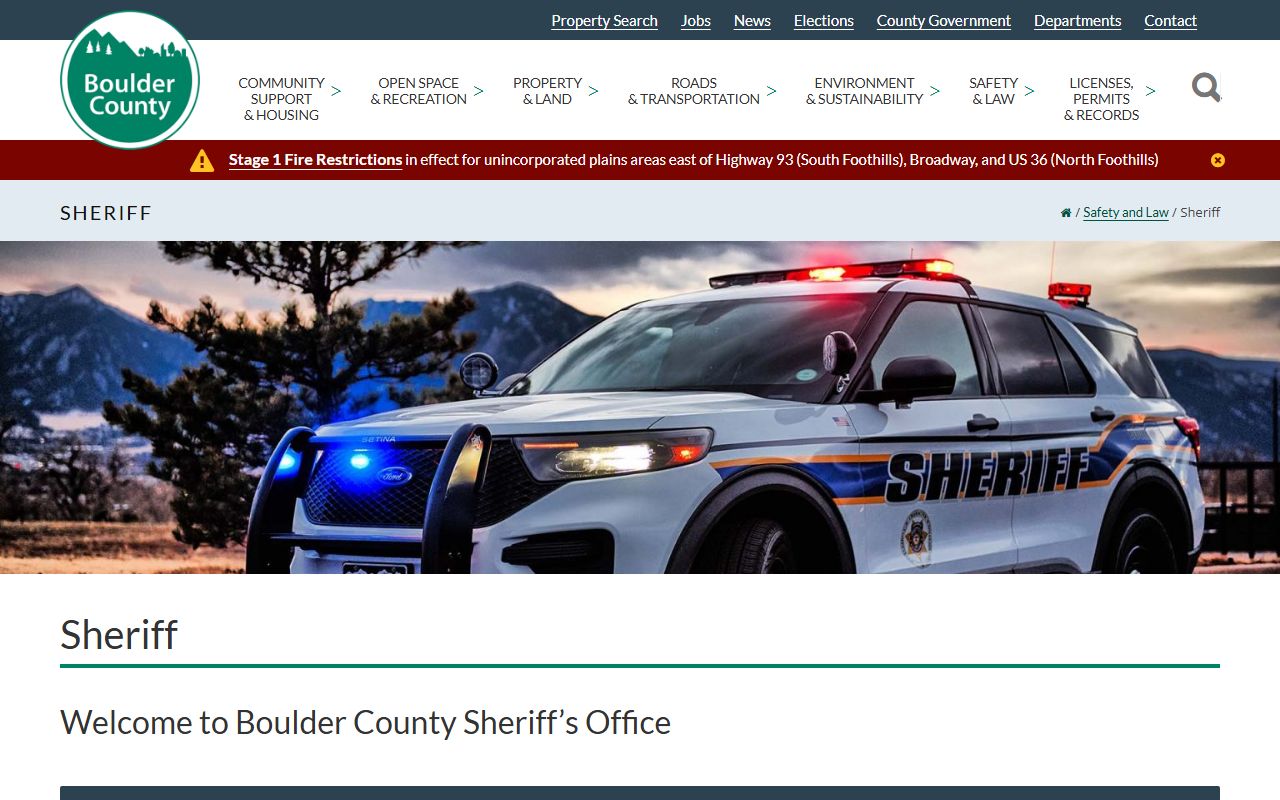
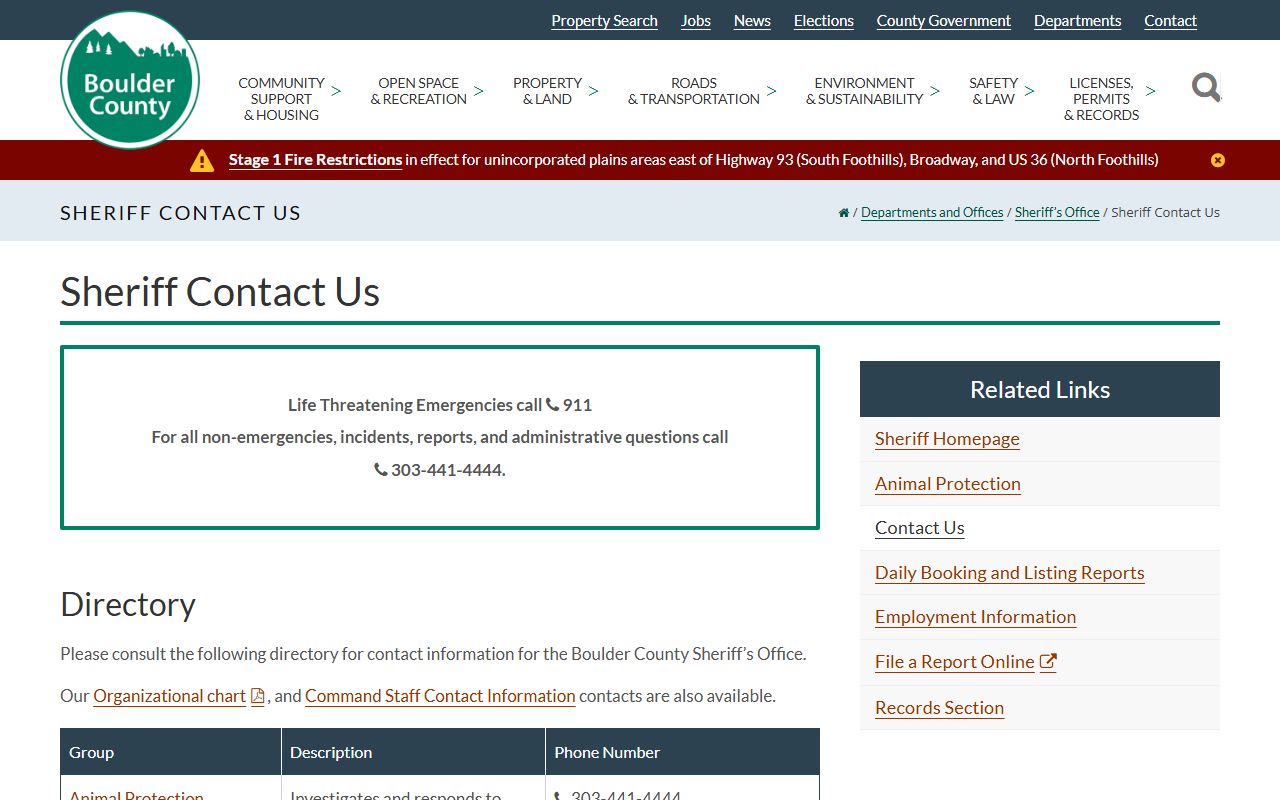
The Sheriff's contact page lists phone numbers for different divisions. Records requests go through 303-441-3600. The warrants section at 303-441-3750 is specifically for warrant inquiries. For extradition questions, law enforcement can call 303-441-3644 or 303-441-3657. Those lines are for law enforcement use only, not public inquiries. The Sheriff's Office also maintains the detention center where people can turn themselves in on warrants 24/7.
Court System Structure
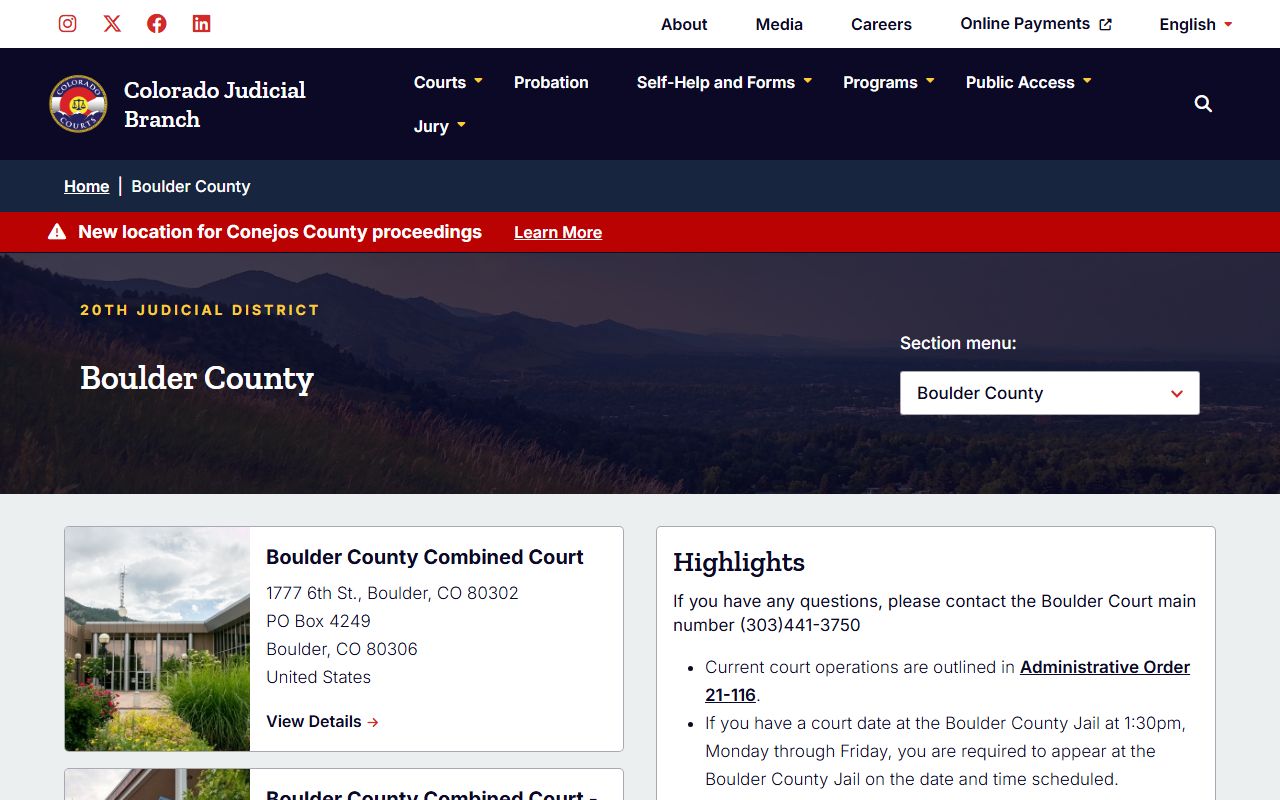
The 20th Judicial District includes Boulder County. District court handles felonies, major civil cases, domestic relations, juvenile matters, and mental health cases. County court deals with misdemeanors, traffic violations, protection orders, and small civil claims under $25,000. Both court types can issue warrants. District court warrants typically involve more serious charges while county court warrants often stem from traffic violations and misdemeanors.
Bench warrants are issued when someone fails to appear in court or violates probation or bond conditions. Arrest warrants come from criminal investigations where judges find probable cause. The court clerk can look up cases by name or case number and tell you if warrants are attached. Bond amounts, court dates, and charge information are available through the clerk's office. Remember that clerks provide information but can't give legal advice about how to handle warrants.
Municipal Court Warrants
Boulder County includes multiple cities with their own municipal courts. These courts handle traffic citations and misdemeanor offenses that occur within city limits. Municipal court warrants don't always appear in the county Sheriff's database. You may need to check with each city individually. Cities with municipal courts include Boulder, Longmont, Lafayette, Louisville, Erie, Lyons, Nederland, Superior, and Ward. Each court operates independently and maintains its own warrant records.
Boulder Municipal Court is at 1777 6th Street in Boulder. Phone is 303-441-4890. The website is bouldercolorado.gov/courts/municipal-court. Longmont Municipal Court serves Longmont residents. Other cities have smaller courts handling local matters. If you lived in or got citations in multiple Boulder County cities, check with each municipal court separately. A warrant from one city won't show up in another city's system.
Warrant Types and Categories
Several warrant categories exist in Boulder County. Arrest warrants authorize law enforcement to arrest someone based on probable cause of criminal activity. A judge reviews evidence and signs the warrant. These stay active until executed or recalled. Bench warrants result from court order violations. The most common reason is failure to appear for a scheduled hearing. Probation violations, bond violations, and contempt of court also trigger bench warrants.
Failure to appear warrants are issued when someone misses a required court date. This can happen with traffic tickets, misdemeanors, or felonies. The court may suspend your license and add extra fines. Search warrants let police search specific locations for evidence. Those aren't public until after execution. Civil warrants involve civil matters like unpaid judgments. They're different from criminal warrants but still authorize action against the named person. Fugitive warrants involve people wanted from other jurisdictions.
Checking for Warrants
To check for Boulder County warrants, call the Sheriff's warrants section at 303-441-3750. Provide full name and date of birth. They'll search their database covering all 20th Judicial District warrants. For municipal court warrants, call the specific city court. Boulder Municipal Court is 303-441-4890. Longmont and other cities have their own numbers. Court clerks can also check for warrants when you call about cases.
Boulder County doesn't offer a public online warrant search tool. Some commercial background check websites claim to search warrants but results are often incomplete. For accurate information, contact official agencies directly. If you're checking your own status and worried about arrest, have an attorney make the calls. That protects you while getting the information you need. Lawyers can also verify bond amounts and help plan next steps.
Colorado Warrant Laws
State statutes govern warrant procedures throughout Colorado. CRS 16-3-303 establishes search warrant requirements. They must be based on sworn affidavits showing probable cause. The affidavit has to describe what's being searched and what evidence is sought. CRS 16-3-305 says search warrants must be executed within 14 days. Arrest warrants and bench warrants don't expire. They remain active indefinitely.
CRS 16-2-110 makes failure to appear unlawful. When someone receives a summons and doesn't show up, judges can issue bench warrants. Consequences include license suspension, bail forfeiture, and contempt charges. Additional fines accumulate. The court can increase bail for future proceedings. These penalties make it important to address warrants quickly rather than letting them sit.
Resolving Warrants
If you have a Boulder County warrant, hire a criminal defense attorney. The lawyer can file motions to recall or quash the warrant. They might arrange voluntary surrender at the courthouse instead of jail. This is sometimes called a walk-through. You appear before the judge and leave without being detained. Not every case qualifies but it's worth trying for minor offenses. Serious felonies rarely qualify for walk-throughs.
For traffic warrants or minor misdemeanors, you might handle it yourself. Call the court and ask what needs to happen. They may let you pay fines to close the case or schedule an appearance. Some courts offer payment plans if you can't afford full payment at once. Bring money for fines if that's an option. Courts prefer voluntary compliance. Showing up on your own looks better than being arrested. Judges view that favorably and it often leads to better outcomes.
Warrant Clearance Programs
Boulder County participates in warrant clearance events occasionally. These programs let people resolve certain warrants without arrest. Typically they focus on traffic violations, misdemeanors, and failure to appear cases. You might pay fines, set up payment plans, or get new court dates without detention. Serious felonies don't qualify. Check the Sheriff's website or call the court to ask about upcoming events. They're not held regularly but provide good opportunities when available.
CBI Resources
The Colorado Bureau of Investigation maintains criminal history records but doesn't provide public warrant searches. You can get a background check showing arrests and convictions for $5 online or $13 by mail. That won't show active warrants. CBI's database tracks criminal history, not current warrant status. The Colorado Integrated Criminal Justice Information System connects agencies statewide. Law enforcement can see warrants from any Colorado county through this system but public access isn't available.
Legal Assistance
Colorado Legal Services provides free legal help to qualifying low-income residents. The Colorado Bar Association runs a lawyer referral service connecting people with criminal defense attorneys. Public defenders are available if you can't afford private counsel. You must apply through the court and meet income requirements. Local bail bondsmen can post bond for a fee, usually 10-15% of the bond amount. That money is non-refundable even if charges are dismissed.
Practical Guidance
Don't ignore warrants. They remain active until resolved. The longer they sit, the worse consequences become. Additional charges may be filed. Courts become less cooperative. Even if you left Boulder County years ago, the warrant is still valid. It can cause problems anywhere. Traffic stops, airport security, and background checks reveal warrants. Address them proactively.
When you learn about a warrant, act immediately. Call the court or hire a lawyer. The sooner you deal with it, the more options you have. Courts respect people who take responsibility. Running makes everything worse. If you have multiple warrants from different cases, an attorney can help coordinate resolution. They might consolidate appearances or negotiate with prosecutors. Professional legal help typically produces better outcomes than representing yourself.
Contact Information
Boulder County Sheriff's Office: 5600 Flatiron Parkway, Boulder, CO 80301. Main phone 303-441-3600. Warrants section 303-441-3750. Records 303-441-3600. The 20th Judicial District courts have contact information on the Colorado Judicial Branch website. Boulder Municipal Court: 303-441-4890. For legal help, contact Colorado Legal Services or the Colorado Bar Association. Remember that warrant information is generally public under Colorado law but exceptions exist for sealed cases and ongoing investigations.