Search Warrants Morgan County
Morgan County warrant records provide critical information about active warrants issued within the county. The Sheriff's Office in Fort Morgan maintains these records and works with the Combined Court to ensure all warrant information is accurate and up to date. If you need to search for a warrant in Morgan County, the sheriff's office is your primary resource. With a population of 29,111 people, this county processes warrants through its local court system, and all active warrants remain in effect until they are served or recalled by a judge.
Sheriff's Office Contact Information
The Morgan County Sheriff's Office is located at 801 E Beaver Avenue, Fort Morgan, CO 80701. You can reach them by phone at 970-542-3445 during regular business hours. The sheriff's office handles all warrant enforcement in Morgan County, including bench warrants, arrest warrants, and search warrants. Deputies work closely with the Combined Court to serve warrants as soon as they are issued.
If you need to check on a warrant, you can call the sheriff's office or visit in person. However, if you are the subject of the warrant, be aware that going in person could result in immediate arrest if an active warrant exists. It is often safer to have an attorney check warrant status on your behalf. Lawyers have access to databases and can confirm whether a warrant exists without putting you at risk of arrest.
Types of Warrants in Morgan County
Several types of warrants can be issued in Morgan County. Bench warrants are the most common and are issued when someone fails to appear for a scheduled court date. If you miss a hearing for a traffic ticket, misdemeanor, or felony case, the judge will typically issue a bench warrant right away. These warrants authorize law enforcement to arrest you and bring you before the court.
Arrest warrants are issued when law enforcement has probable cause to believe you committed a crime. A prosecutor files an affidavit with the court, and a judge reviews the evidence. If the judge finds sufficient probable cause, the warrant is signed and entered into state and national databases. Once in the system, any law enforcement officer who encounters you can make an arrest.
Search warrants allow police to search your home, vehicle, or other property for evidence of a crime. Unlike bench and arrest warrants, search warrants have a time limit. Under Colorado law, search warrants must be executed within 14 days of being issued, or they expire. Bench and arrest warrants, however, do not expire and remain active indefinitely.
How Warrants Are Issued
Warrants in Morgan County are issued by judges at the Combined Court. When someone misses a court date, the judge typically issues a bench warrant immediately. For arrest warrants, the process involves more steps. Law enforcement or a prosecutor must file a complaint or affidavit showing probable cause. The judge reviews the document and decides whether to issue the warrant.
Once a warrant is signed, it is entered into the Colorado and national warrant databases. This means law enforcement across the state and country can see the warrant. If you are stopped for a traffic violation or any other reason, the officer will run your name and discover the warrant. At that point, you will be arrested and taken into custody.
Contacting the Court
The Morgan County Combined Court is located at 801 E Beaver Avenue, Fort Morgan, CO 80701, the same building as the sheriff's office. The court phone number is 970-542-3435. Court staff can help you determine if you have a pending case or if a warrant was issued in your name. They can also provide information about upcoming court dates and what you need to do to resolve a warrant.
If you want to clear a warrant, the court is where you will ultimately need to appear. In some cases, you can pay fines or fees to have the warrant recalled. In other cases, you will need to appear before a judge to address the underlying charge. An attorney can help you navigate this process and may be able to arrange for you to turn yourself in at a scheduled time, avoiding an unexpected arrest.
What to Do If You Have a Warrant
If you discover you have an active warrant in Morgan County, take immediate action. Do not ignore the warrant or hope it will go away. Warrants remain active until you are arrested or the court recalls them. The longer you wait, the more likely you are to be arrested at an inconvenient time, such as at work or during a traffic stop.
The first step is to confirm the warrant exists. Call the sheriff's office or the court, or hire a lawyer to check for you. Once you confirm the warrant, contact a criminal defense attorney. They can help you understand your options and may be able to file a motion to quash the warrant or arrange for you to turn yourself in voluntarily. This is much safer than waiting to be arrested.
Clearing a Warrant
To clear a warrant in Morgan County, you typically need to appear in court. Depending on the reason for the warrant, you may need to pay fines, attend a hearing, or resolve the underlying case. If the warrant was issued because you missed a court date, the judge may simply reschedule the hearing and recall the warrant. If the warrant is for a new charge, you will go through the usual court process.
Some warrants can be cleared by paying fines or fees. If your warrant is related to unpaid court costs, the court may recall the warrant once you make payment. Ask the court clerk about payment plans if you cannot afford to pay the full amount at once. The court would rather receive payment over time than have an active warrant remain in the system.
Working with an attorney is the safest way to clear a warrant. A lawyer can file motions on your behalf, negotiate with prosecutors, and represent you in court. This gives you the best chance of resolving the warrant without being arrested and held in jail.
How Long Warrants Last
In Colorado, bench and arrest warrants do not expire. They remain active until you are arrested or the court recalls them. This means a warrant issued years ago is still valid today. You could be driving through Morgan County and get pulled over for a minor traffic violation, and the officer will see the warrant and arrest you on the spot.
Search warrants are different. They must be executed within 14 days of being issued, as required by Colorado Revised Statutes 16-3-305. If law enforcement does not use the search warrant within that time, it becomes invalid and they must apply for a new one if they still need to search your property.
Public Records and Privacy
Warrants in Colorado are generally public records. This means anyone can ask the sheriff's office or the court if a warrant exists. However, some warrants are kept confidential if releasing the information would interfere with an ongoing investigation. Juvenile warrants are always sealed and not available to the public.
If you want to check if someone else has a warrant, you can call the sheriff's office or visit the courthouse in person. Keep in mind that the sheriff may not provide detailed information over the phone, especially for active investigations. The best way to get accurate information is to go in person or hire a lawyer to research the matter for you.
What Happens After an Arrest
If you are arrested on a warrant in Morgan County, you will be taken to the local jail for booking and processing. Depending on the warrant and the charge, you may be able to post bail and be released within a few hours. For more serious charges, you may be held until you can appear before a judge, which could take one to two days.
Once you see a judge, the court will set a new court date or handle the matter immediately. If the warrant was for failure to appear, the judge may simply reschedule your hearing and release you. If the warrant was for a new charge, you will go through the arraignment process, where you will be informed of the charges and asked to enter a plea. Having a lawyer at this stage is critical to protect your rights and ensure the best possible outcome.
Legal Resources and Help
If you cannot afford a lawyer, you may qualify for a public defender. The Colorado State Public Defender's Office provides free legal representation to people who meet income requirements. You can apply for a public defender when you appear in court, or you can contact their office in advance to see if you qualify.
There are also legal aid organizations that offer free or low-cost help with criminal cases. Check with Colorado Legal Services or local bar associations for assistance. These organizations can help you understand your options and connect you with a lawyer if needed.
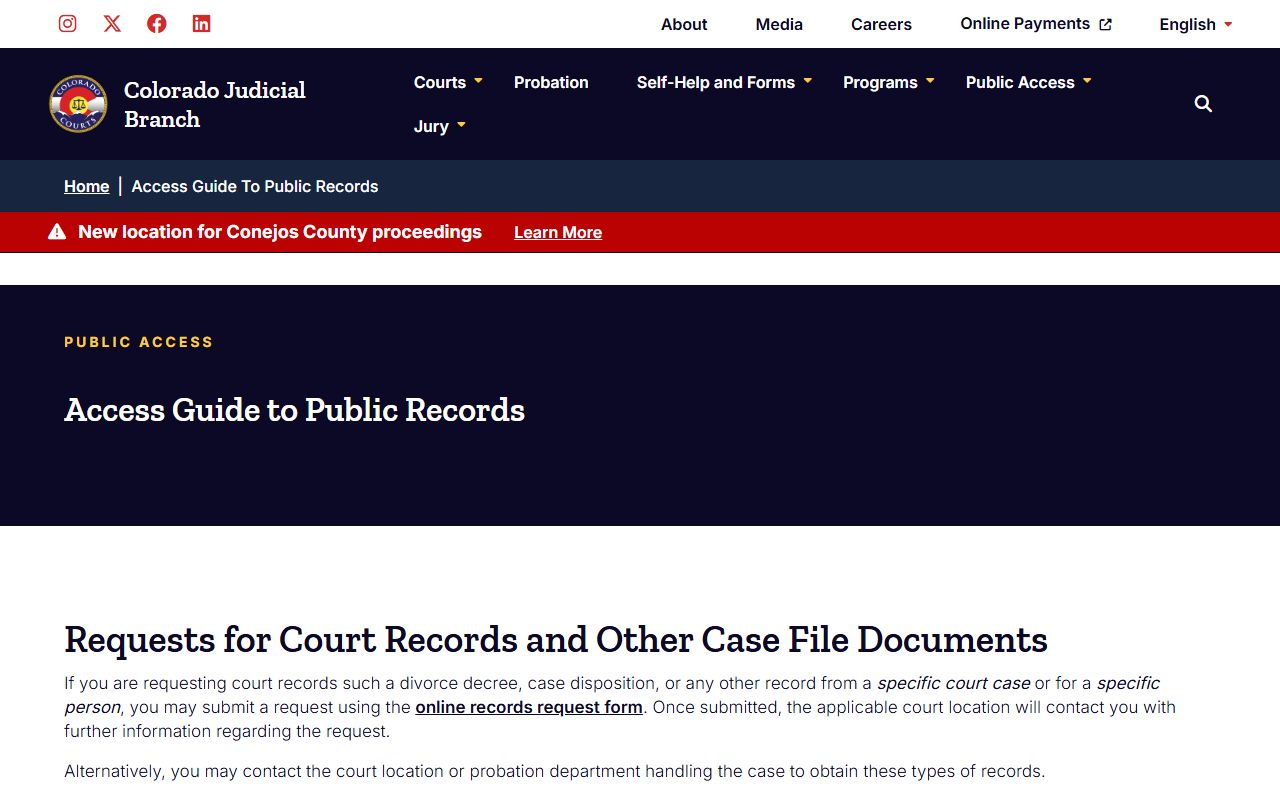
You can also use the Colorado Judicial Branch docket search to look up your case online. This statewide system lets you search by name and see any open cases. It is a good first step before contacting the court or sheriff directly.
Avoiding Future Warrants
The best way to avoid warrants is to always appear for your court dates. If you receive a traffic ticket or a summons, mark the date on your calendar and show up on time. If you cannot make it to court, call the court clerk as soon as possible and ask to reschedule. Most courts will work with you if you communicate with them ahead of time.
If you are facing criminal charges, hire a lawyer as soon as possible. An attorney can represent you in court, negotiate with prosecutors, and make sure you understand all your obligations. Missing a court date can result in a warrant being issued, so it is critical to stay in communication with your lawyer and the court.
Final Thoughts
Warrants are serious legal matters that require immediate attention. In Morgan County, the sheriff's office and the Combined Court work together to enforce warrants and ensure public safety. If you have a warrant, do not wait for law enforcement to find you. Contact the court, hire a lawyer, and take steps to resolve the warrant as soon as possible. The longer you wait, the more problems you will face. Remember, warrants do not expire, and taking care of them now is always the best option.