Kiowa County Warrant Records Colorado
Kiowa County warrant records are managed by the Sheriff's Office in Eads. This small county, with a population of around 1,398 people, processes warrants through its Combined Court system. If you need to search for an active warrant or find out if one exists in your name, you should contact the sheriff directly. All warrants issued by judges in Kiowa County go through the sheriff for service and enforcement. The process here is straightforward due to the county's small size, but warrants remain active until they are served or recalled by a judge.
Sheriff's Office in Kiowa County
The Kiowa County Sheriff's Office is at 1305 Goff Street in Eads. Call them at 719-438-5811 for questions about warrants. In a small county like this, the sheriff and deputies often know local residents personally. This can make warrant service easier, but it also means there is less anonymity. Deputies work directly with the court to ensure warrants are served quickly once they are issued.
Most warrants in Kiowa County are bench warrants for missed court dates. These are issued when someone fails to appear for a scheduled hearing. Arrest warrants for new criminal charges are less common but still happen. If you think you have a warrant, call the sheriff's office to confirm, though they may not give out information over the phone if you are the subject. It is often better to have an attorney check for you.
How Warrants Are Issued
When someone misses a court date or when law enforcement has probable cause for an arrest, a judge reviews the facts and decides whether to issue a warrant. In Kiowa County, this happens at the Combined Court. Once the judge signs the warrant, it is sent to the sheriff's office for action. The warrant is entered into state and federal databases, which means it can be seen by law enforcement anywhere in the country.
Bench warrants are the most common type. They are issued automatically when someone does not show up for court. Arrest warrants require more paperwork. A prosecutor must file an affidavit showing probable cause, and the judge reviews it before signing. Search warrants, which allow police to search property, must be executed within 14 days or they expire. Arrest and bench warrants do not expire.
Contacting the Court
The Kiowa County Combined Court is located at 1305 Goff Street in Eads, the same address as the sheriff's office. The court phone number is 719-438-5420. Court staff can tell you if you have a pending case or if a warrant was issued. They can also help you schedule a new court date if you missed one.
If you need to resolve a warrant, the court is your next stop after the sheriff's office. You may be able to appear before a judge, pay fines, or set up a payment plan. In some cases, a lawyer can file a motion to quash the warrant, which means the judge recalls it without you being arrested. This is the safest way to handle an active warrant.
What to Do If You Have a Warrant
If you learn that you have an active warrant in Kiowa County, take action right away. Do not ignore it. Warrants do not go away on their own, and you could be arrested at any time during a traffic stop or other interaction with law enforcement. The first step is to confirm the warrant exists. Call the sheriff or the court, or hire a lawyer to check for you.
Once you confirm the warrant, talk to a criminal defense attorney. They can help you figure out your options. In many cases, your attorney can arrange for you to turn yourself in at a scheduled time, which is much better than being arrested unexpectedly. Some warrants can be resolved by paying fines or appearing in court without going to jail. Your lawyer will know the best approach for your situation.
Types of Warrants You Might See
Kiowa County issues three main types of warrants. Bench warrants are for people who miss court dates. They can be issued for traffic cases, misdemeanors, or felonies. Arrest warrants are for people suspected of crimes. These require a judge's approval based on probable cause. Search warrants allow police to search homes, cars, or other property for evidence. Search warrants must be used within 14 days, but bench and arrest warrants stay active indefinitely.
In rare cases, you might also see a recall warrant, which cancels a previous warrant, or a governor's warrant, which is used for extradition from another state. Most people in Kiowa County will only deal with bench or arrest warrants.
How Long Do Warrants Last
Arrest and bench warrants in Colorado do not expire. They remain active until you are arrested or the court recalls them. This means a warrant issued years ago is still valid today. You could be driving through Kiowa County and get pulled over for a broken taillight, and the deputy will see the old warrant and arrest you on the spot.
Search warrants are different. They must be executed within 14 days of being issued, as stated in Colorado Revised Statutes 16-3-305. If police do not use the search warrant within that time, it becomes invalid and they must apply for a new one.
Public Records and Privacy
Warrants in Colorado are generally public records. This means anyone can ask the sheriff or the court if a warrant exists. However, some warrants are kept confidential if making them public would interfere with an ongoing investigation. Juvenile warrants are always sealed and not available to the public. If you want to check if someone else has a warrant, you can call the sheriff's office or visit the courthouse in person.
Keep in mind that the sheriff may not give out detailed information over the phone, especially for active investigations. The best way to get accurate information is to go in person or hire a lawyer to do the research for you.
Clearing Old Warrants
Old warrants can cause big problems even if the original charge was small. You could be arrested at work, at home, or during a traffic stop. To clear an old warrant, you need to appear in court, pay any fines or fees, and follow the judge's orders. If you owe money, ask the court about payment plans. Many courts would rather set up a payment plan than keep an active warrant in the system.
If you missed a court date, the judge may set a new date and recall the warrant. An attorney can help you navigate this process and make sure everything is handled correctly. Do not try to clear a warrant on your own without legal advice, as you could end up in custody.
Resources for Legal Help
If you need help with a warrant or a criminal case, there are resources available. The Colorado Bureau of Investigation maintains a statewide system for criminal records, though warrant information is not always included in public searches. For legal help, contact the Colorado State Public Defender's Office or look for a private criminal defense attorney who serves the area.
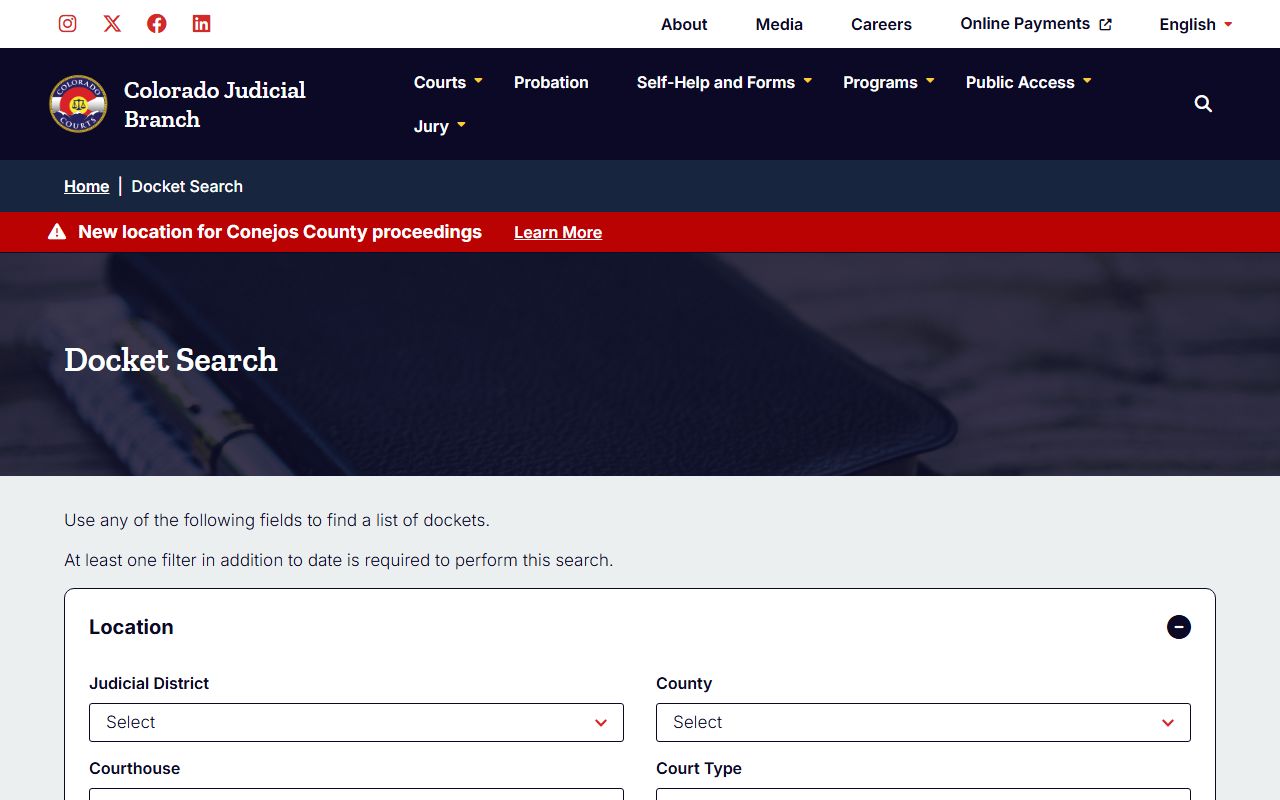
You can also check the Colorado Judicial Branch docket search to see if you have upcoming court dates. This online tool lets you search by name and see cases across the state. It is a good first step before contacting the court or sheriff directly.
What Happens During an Arrest
If you are arrested on a warrant, the process depends on the type of warrant and the charge. For minor warrants, you may be able to post bail and be released within a few hours. For serious charges, you may be held in jail until you can see a judge, which could take a day or two. Once you appear before the judge, the court will set a new court date or handle the matter right away.
If the warrant was for failure to appear, the judge may simply reschedule your hearing and release you. If it was for a new charge, you will go through the usual court process, including arraignment, plea negotiations, and possibly trial. Having a lawyer at every step is important to protect your rights.
Avoiding Arrest
The best way to avoid arrest on a warrant is to take care of it before law enforcement finds you. Work with a lawyer to arrange a time to turn yourself in or to get the warrant recalled. Do not wait for deputies to come to your door or for a traffic stop to reveal the warrant. Being proactive gives you more control over the situation and can lead to better outcomes.
If you cannot afford a lawyer, contact the Colorado State Public Defender's Office to see if you qualify for free legal help. You can also look for legal aid organizations that offer low-cost or pro bono services for criminal cases.
Final Thoughts
Warrants are serious legal matters that should not be ignored. In Kiowa County, the small size of the community means warrant enforcement can happen quickly. If you have a warrant, take action now. Contact the sheriff's office, the court, or a lawyer to find out your options. The sooner you resolve the warrant, the less disruption it will cause in your life. Remember, warrants do not go away on their own, and waiting only makes the situation worse.