Grand Junction Warrant Information
Grand Junction warrant records are issued by Grand Junction Municipal Court and Mesa County Combined Court. People search for warrants to check if they have active bench warrants or arrest warrants that could lead to arrest. The city is the largest in Western Colorado and the county seat of Mesa County. Municipal court at 250 W 4th Street handles city violations while Mesa County Court processes state charges. Judges issue warrants when people miss court appearances or when police establish probable cause for arrest. These orders remain active indefinitely until cleared through legal channels or execution by law enforcement.
Grand Junction Municipal Court
Grand Junction Municipal Court sits at 250 W 4th Street. Call 970-244-1537 for criminal ticket information. The court handles violations of city ordinances, traffic tickets, and misdemeanor charges written by Grand Junction Police. When you get a ticket from city police, your case goes here.
Most warrants come from missed court dates. You fail to appear and the judge issues a bench warrant. These do not expire. They stay active until you clear them. Some warrants allow bond. Pay the bond amount and get a new court date. Call the clerk to learn your options.
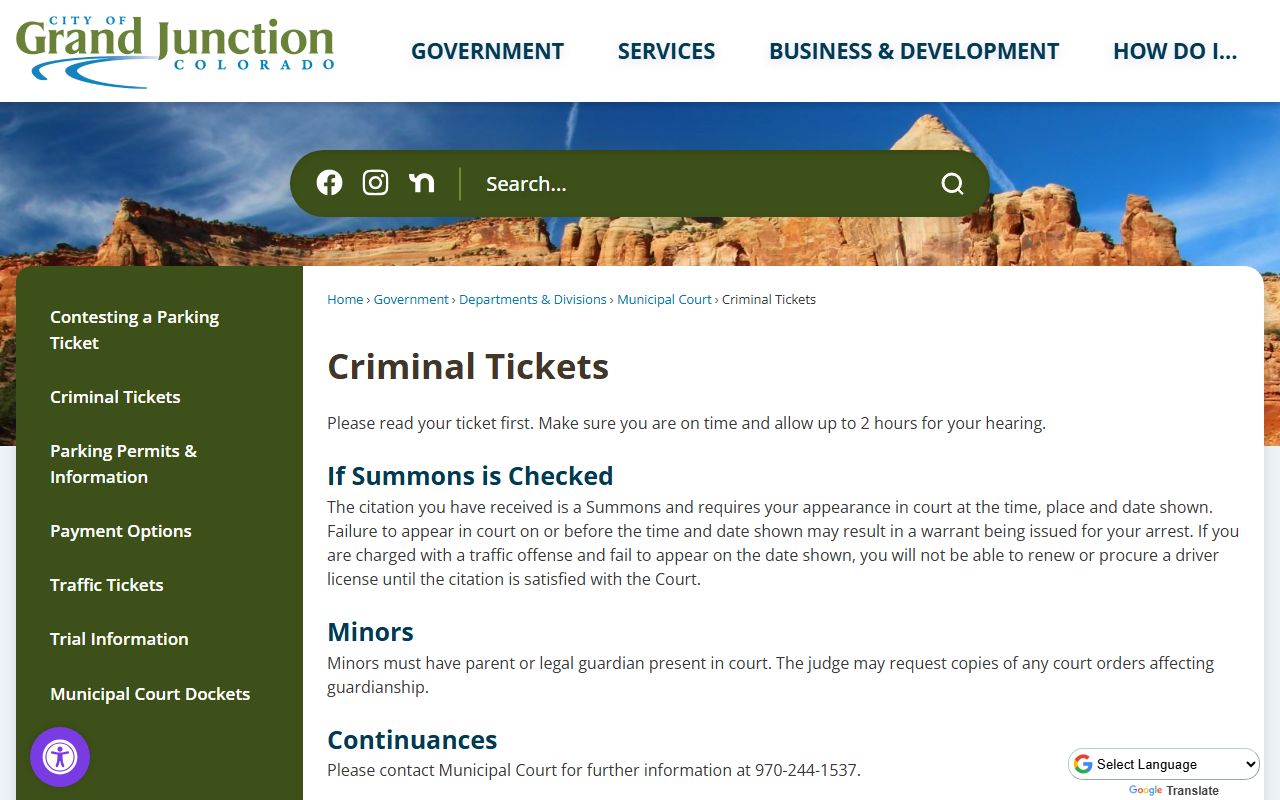
The Grand Junction Municipal Court provides information about criminal tickets and court procedures. Staff work Monday through Friday. Do not visit in person if you think you have a warrant. Call first or hire a lawyer.
Mesa County Court System
Citations from Colorado State Patrol or Mesa County Sheriff go to Mesa County Combined Court. This court is at 125 N Spruce Street. Call 970-257-3640 for information. County court handles state law violations including DUI, theft, assault, and drug charges.
County court warrants are more serious than municipal warrants. Bond amounts can be high. Some cases have no bond. Hire a lawyer if you have a county court warrant. Do not turn yourself in without legal advice.
Check your citation to know which court. The ticket tells you where to appear. If you lost your paperwork, call the municipal court first. They can check their system and direct you to the right court if your case is not there.
Mesa County Sheriff Warrants
The Mesa County Sheriff's Office serves warrants across Grand Junction and all of Mesa County. Their office is at 215 Rice Street. Call 970-244-3500 for general inquiries. The sheriff maintains warrant records for the county.
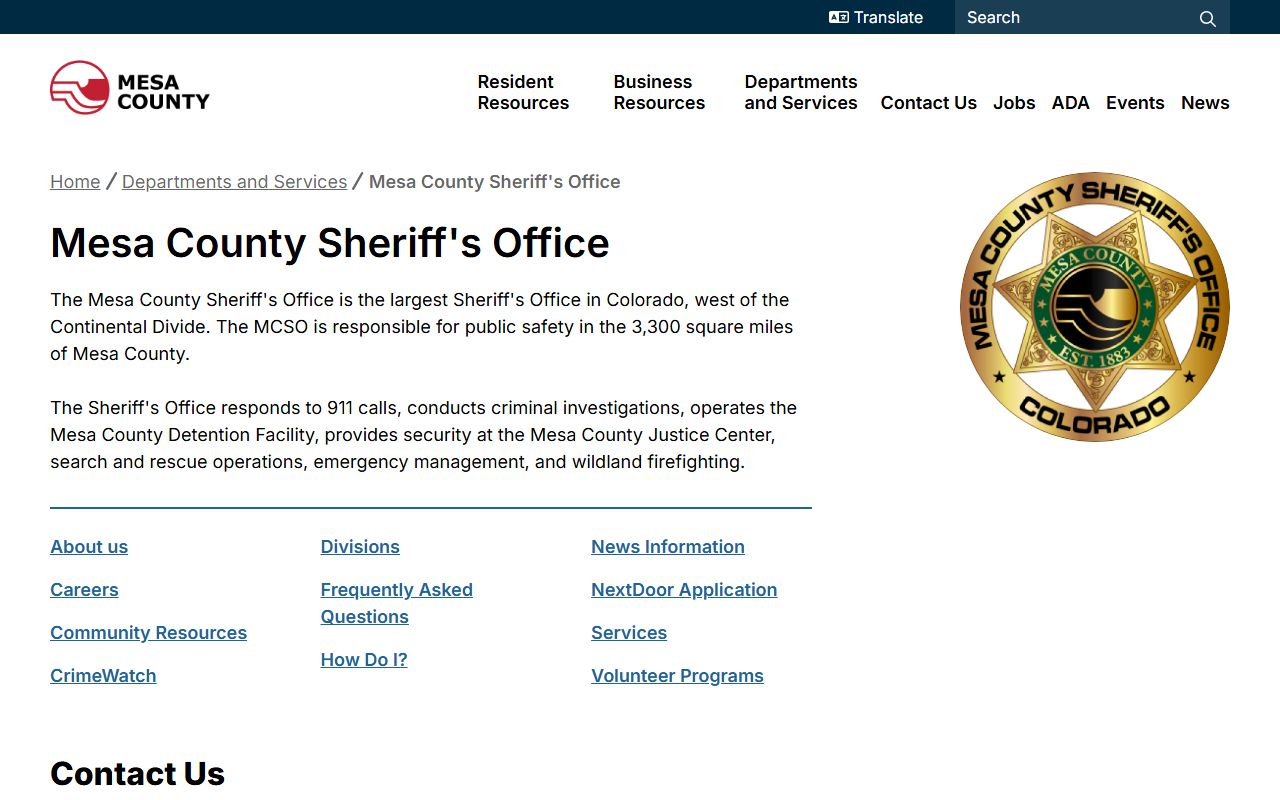
Sheriff deputies enforce warrants from all jurisdictions. During traffic stops and other contacts, they check for active warrants. If they find one, they arrest you immediately. You go to jail until you see a judge or post bond.
Searching for Warrants
Grand Junction and Mesa County do not offer online public warrant search. You must call or visit to check. For municipal court warrants, call 970-244-1537. For county warrants, contact Mesa County Court at 970-257-3640. Have your full name and date of birth ready.
Law enforcement will not usually confirm your own warrant over the phone. This prevents people from fleeing. Hire a criminal defense attorney to check on your behalf. Lawyers can also help clear warrants without arrest.
Types of Warrants
Bench warrants are most common. You get one when you miss court or violate probation. The judge signs an order for your arrest. These warrants stay active forever. Even old warrants from years ago can result in arrest.
Arrest warrants require probable cause. Police present evidence to a judge. The judge reviews facts and decides if a warrant should issue. These warrants allow police to arrest you at any time or place.
Search warrants authorize police to search locations for evidence. Colorado law requires execution within 14 days. These warrants are sealed until served. The public cannot access them during investigations.
Clearing Grand Junction Warrants
Hire a criminal defense attorney to clear warrants without arrest. Lawyers file motions to quash warrants. This asks the judge to cancel the warrant. Success depends on your circumstances. Attorneys appear in court so you avoid custody.
Post bond if the warrant lists an amount. Pay that sum to the court. The warrant clears and you get a new date. Miss that date and you get another warrant with higher bond. Keep all your court dates to avoid more problems.
Some minor warrants can be cleared by paying fines. Traffic tickets and small violations sometimes work this way. Call the court clerk to ask if your case qualifies. Not every warrant allows payment to close it.
Grand Junction Police Department
Grand Junction Police write tickets that go to municipal court. They also arrest people for state crimes that go to county court. Police do not provide warrant information to subjects of warrants. Contact the court that issued the warrant instead.
Police access databases not available to the public. These show warrants from all Colorado courts. During any contact, officers check for warrants. If they find one, they arrest you. This happens during traffic stops, welfare checks, and calls for service.
Warrant Consequences
Active warrants lead to arrest. Traffic stops are when most people get arrested on warrants. Police run your name and see active warrants. They must take you into custody. This affects your job, family, and freedom.
Warrants affect employment. Background checks may show active warrants. Employers can see them and decide not to hire you. Clear warrants before job hunting.
Travel becomes risky. Airports check for warrants. You may get arrested at security checkpoints. Border crossings are worse. Customs agents have access to warrant databases. Deal with warrants before traveling.
Legal Assistance
Colorado Legal Services provides free help to low-income residents. They can advise about warrants and court. Grand Junction has private criminal defense attorneys who handle warrant cases. Many offer free consultations. Get legal advice before dealing with warrants.
The public defender cannot help until you are charged. If you only have a warrant, you need private counsel. Lawyers charge fees but provide protection. They can often resolve warrants without jail time.
Court Procedures
When you appear on a warrant, you see a judge. For bench warrants, the judge may release you with a new date. Or they may set bond. Serious cases can mean being held without bond. Having a lawyer present helps your case.
For arrest warrants, you get an advisement hearing. The judge reads charges and asks your plea. Bond gets set if not already posted. The case proceeds through court. This takes months depending on complexity.
Mesa County Resources
The Mesa County Court page provides contact information and court locations. This resource helps people navigate the court system. The judicial branch website offers general information about Colorado courts and procedures.
Mesa County courts handle cases from Grand Junction and surrounding areas. The county is large and covers Western Colorado. Court locations serve different communities within the county.
Background Checks
The Colorado Bureau of Investigation maintains criminal history records. Their checks show arrests and convictions. They do not include active warrants. Warrants are maintained by courts, not CBI.
For background checks, visit CBI Records Check. These cost $5 online. Results show criminal history but not pending warrants. Check with courts for current warrant information.
Municipal vs County Warrants
Know which court issued your warrant. Grand Junction Municipal Court handles city violations. These include traffic tickets, noise complaints, and city code issues. County court deals with state law. This includes DUI, theft, assault, and other crimes.
Check your citation or summons. It tells you which court. If you lost it, call the municipal court first. They can check their system. If your case is not there, it is in county court.
Western Colorado Location
Grand Junction is the largest city on Colorado's Western Slope. This area is far from Denver and Front Range courts. Mesa County operates independently from metro Denver courts. Warrants here are separate from warrants in other parts of the state.
If you move between Western Colorado and other areas, check for warrants in each location. Colorado courts share data but each jurisdiction maintains its own warrant records. Clear all warrants before relocating.
Turning Yourself In
If you have a warrant, you can surrender at the Mesa County Detention Facility. Bring ID with you. You will be booked and see a judge. This process takes hours or days depending on court schedules.
Turning yourself in shows responsibility. Judges sometimes view this favorably. But you still face arrest and booking. Hire a lawyer before surrendering. They can negotiate better terms and protect your rights.
Frequently Asked Questions
Can I check for warrants online? No. Grand Junction and Mesa County do not offer public online warrant search. You must call or visit courts.
Will I be arrested if I call? Most agencies will not confirm your own warrant over the phone. They fear people will flee. Send a lawyer to check instead.
How long do warrants last? Warrants in Colorado never expire. They stay active until served or recalled by the court. Even very old warrants can lead to arrest.